Aero Tech
1 / 5
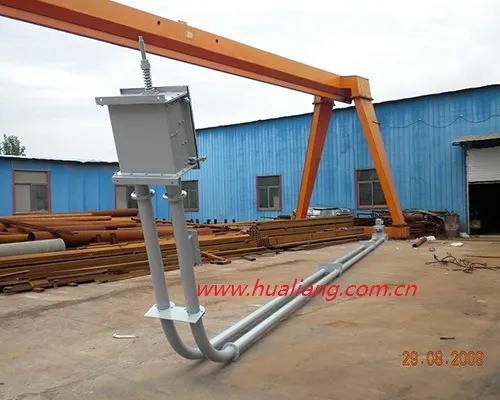
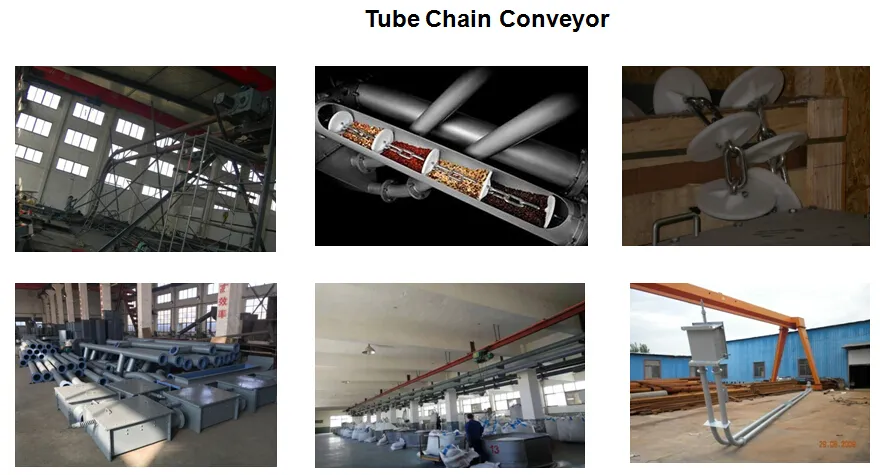
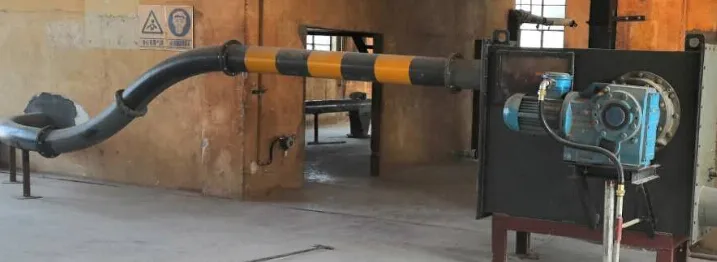
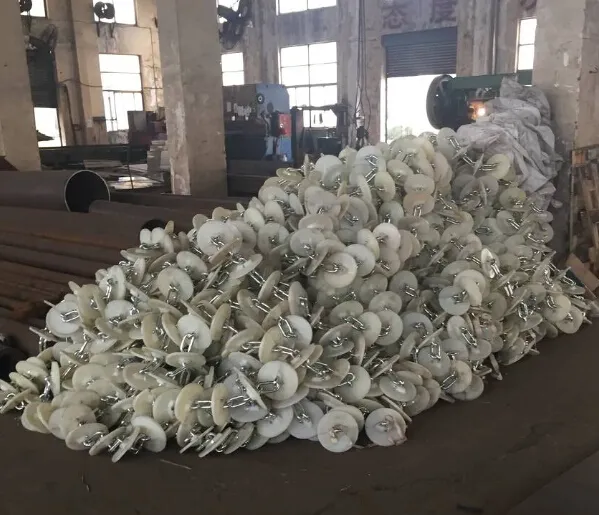
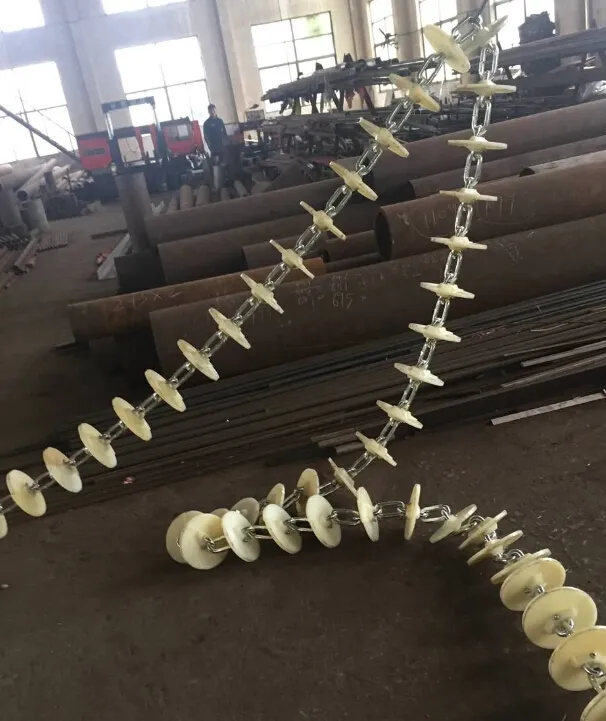
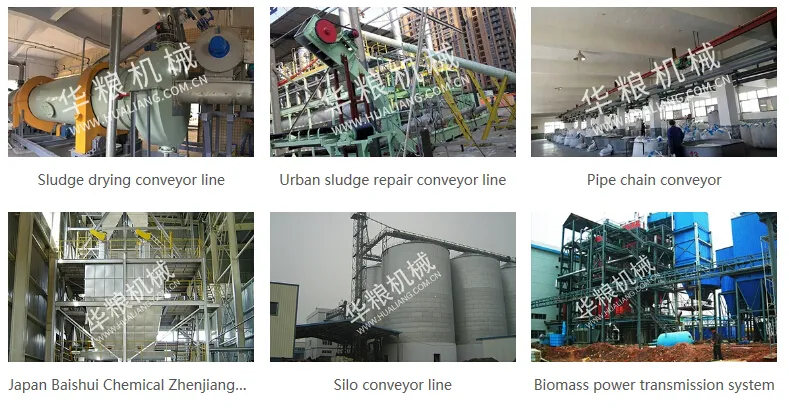
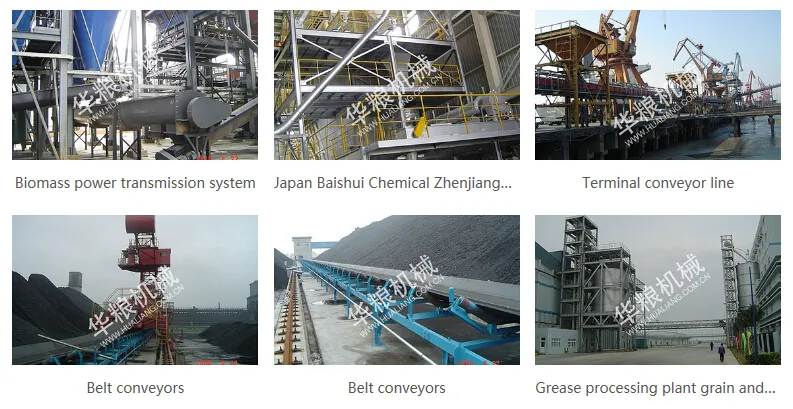
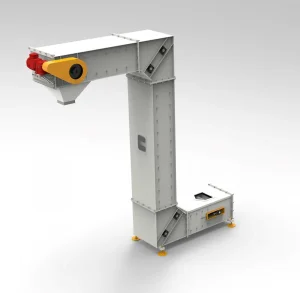
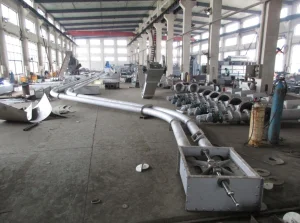
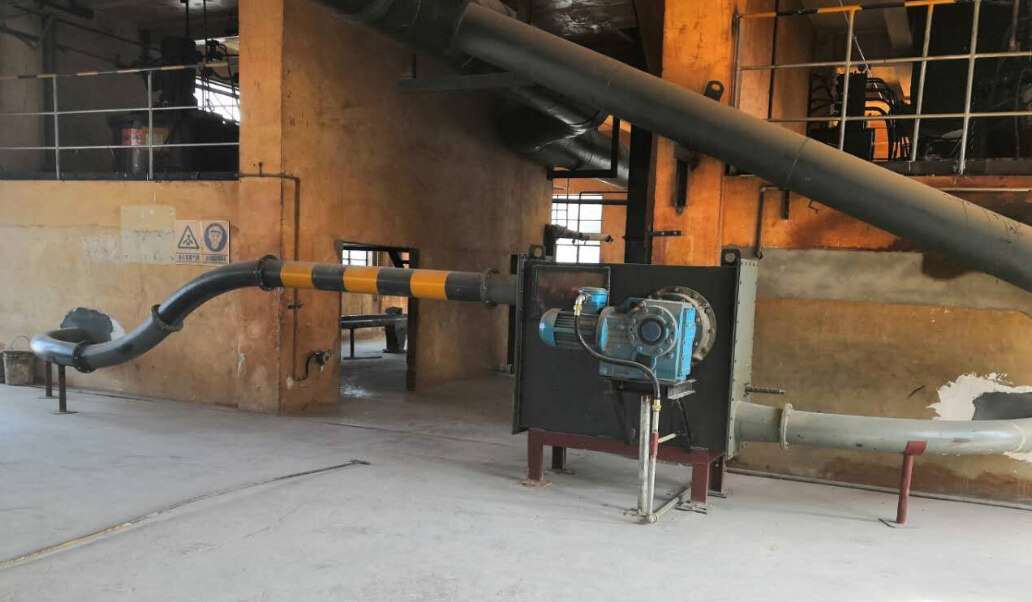
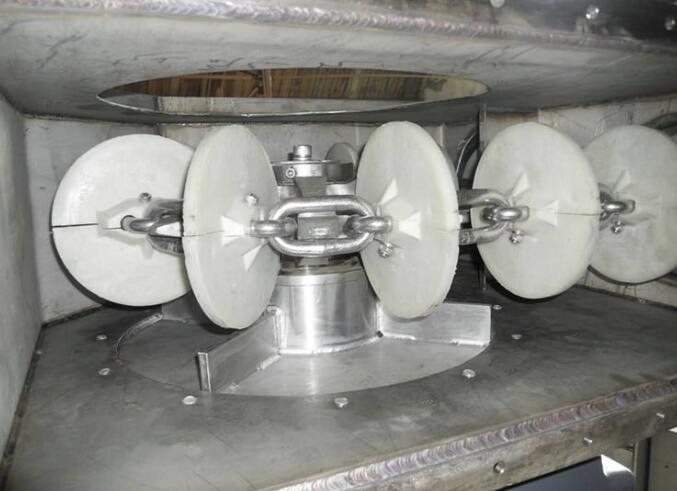
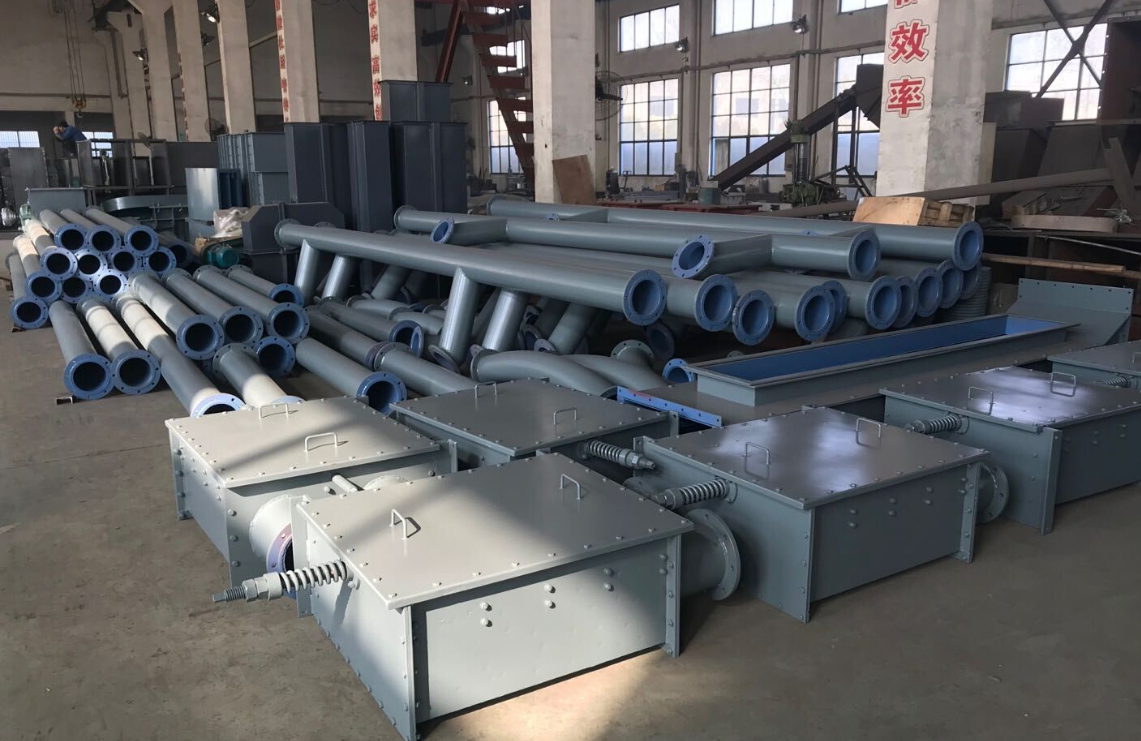
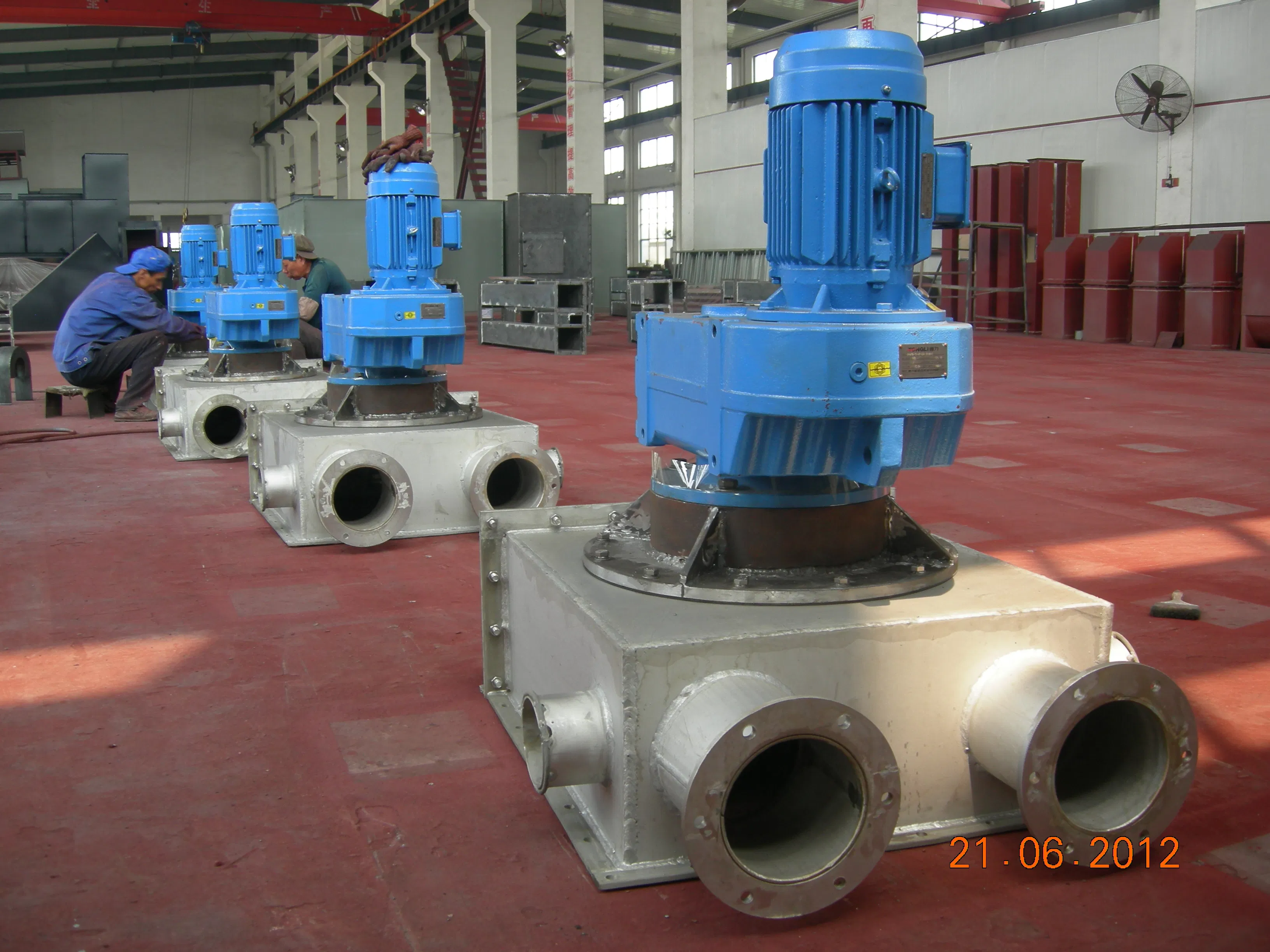
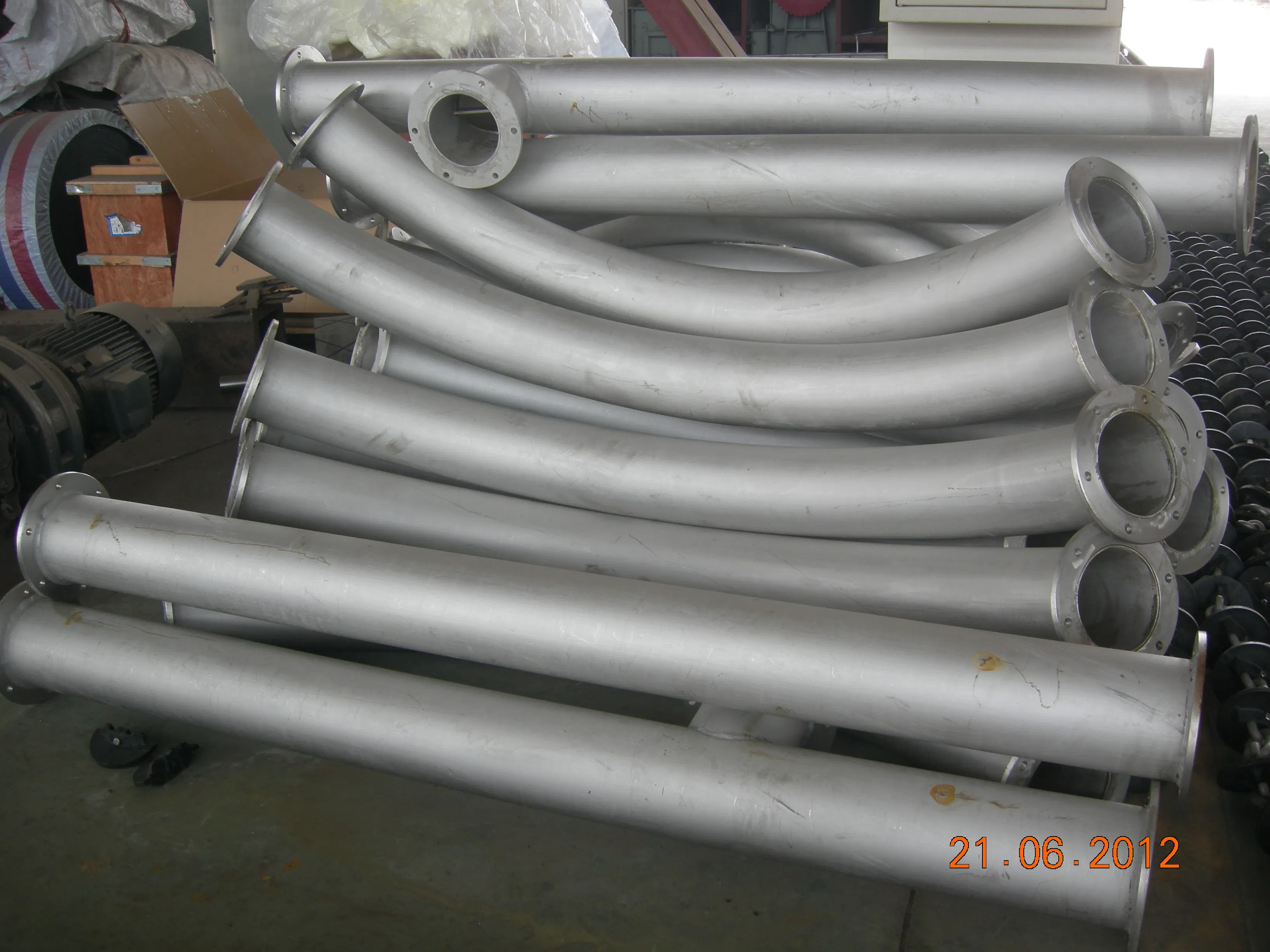
The Tube Chain Conveyor is a state-of-the-art continuous conveyor system featuring a flexible driving component. Encased within a sealed, smooth, rectangular, and tubular section, this system utilizes the thrust force generated by the mobile chain disc to seamlessly integrate the material and chain disc, creating a continuous and efficient conveyance process.
Designed for the efficient conveyance of bulk materials, the Tube Chain Conveyor is perfect for transporting powders, small granules, and small lumps within a sealed tube channel.
During horizontal conveyance, material granules experience thrust in the direction of motion. When the friction between material layers surpasses the outer friction from the tube wall, the material advances, forming a stable material stream propelled by the chain disc.
In vertical conveyance, material granules receive an upward thrust from the chain disc. Lateral compression increases inner friction, allowing the material to ascend as a continuous stream when friction surpasses the tube's inner wall resistance and material weight.
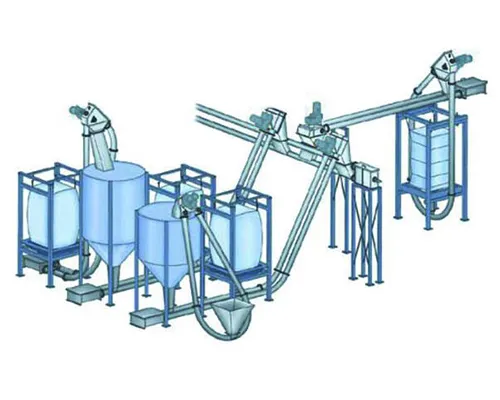
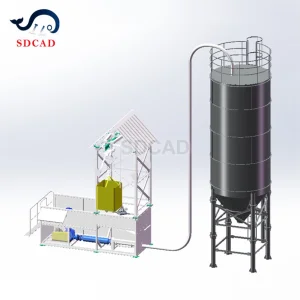
System Layout Diagrams: