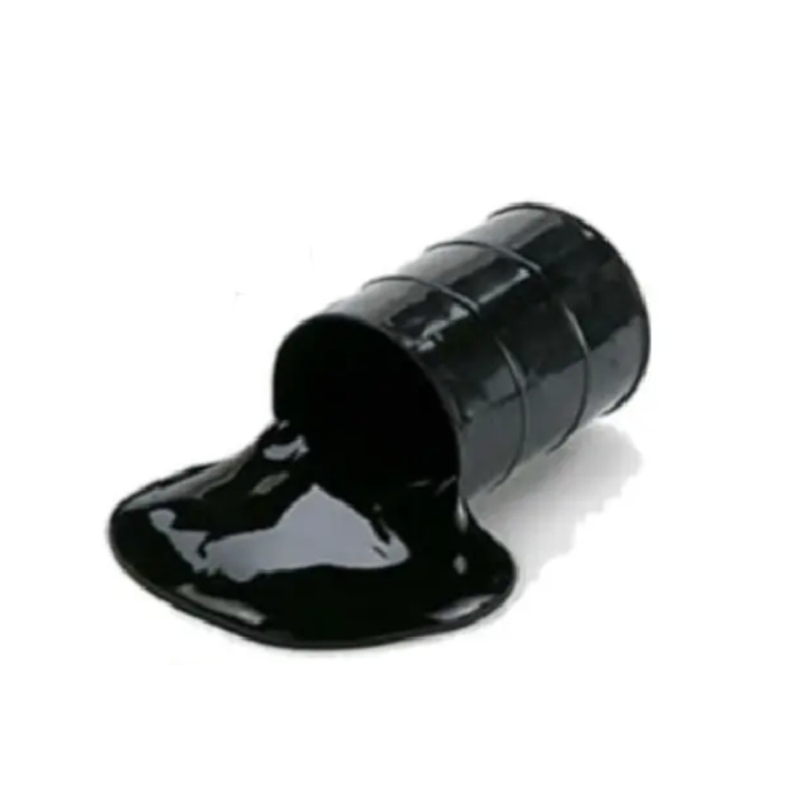
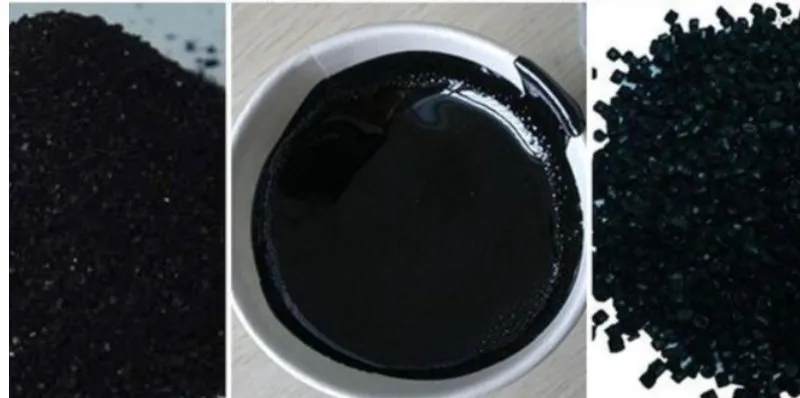
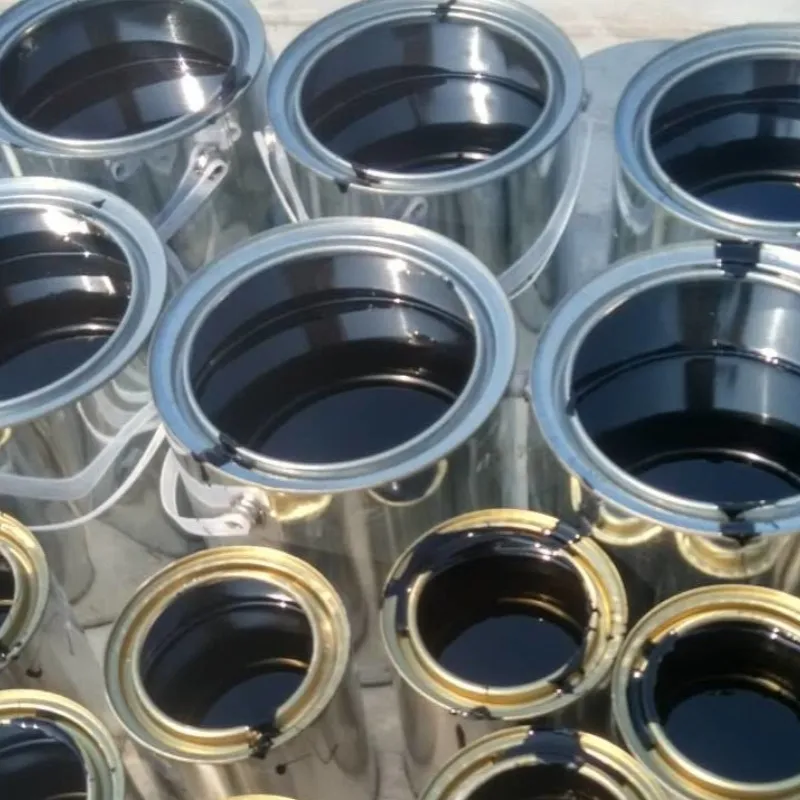
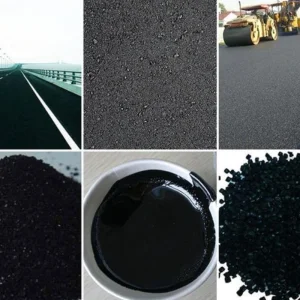
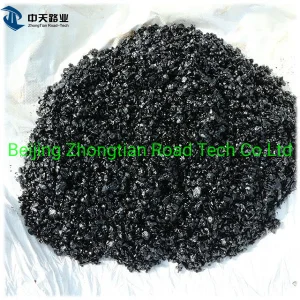
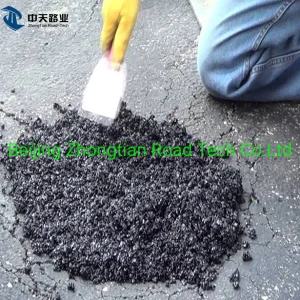
Asphalt (Asphalt/Bitumen) is an organic cementitious material with high viscosity, black or dark brown in color. It is mainly derived from petroleum processing or natural minerals and is widely used in fields such as road engineering, building waterproofing, and industrial anti-corrosion. It is one of the core materials in modern infrastructure construction.
The uses of asphalt cover multiple industries, among which road engineering and waterproofing engineering are the two most core scenarios.
Product Advantages & Derivatives
To meet high-performance requirements, asphalt is often modified to enhance its properties. Common derivative products include:
SBS Modified Asphalt: Significantly improves high and low temperature stability, suitable for high-grade highways in cold regions or high-temperature rainy areas.
Emulsified Asphalt: Constructible at room temperature, used for bonding road bases and maintenance like micro-surfacing.
Rubber Modified Asphalt: Incorporates waste tire rubber powder to improve elasticity and fatigue resistance, ideal for noise-reducing pavements.
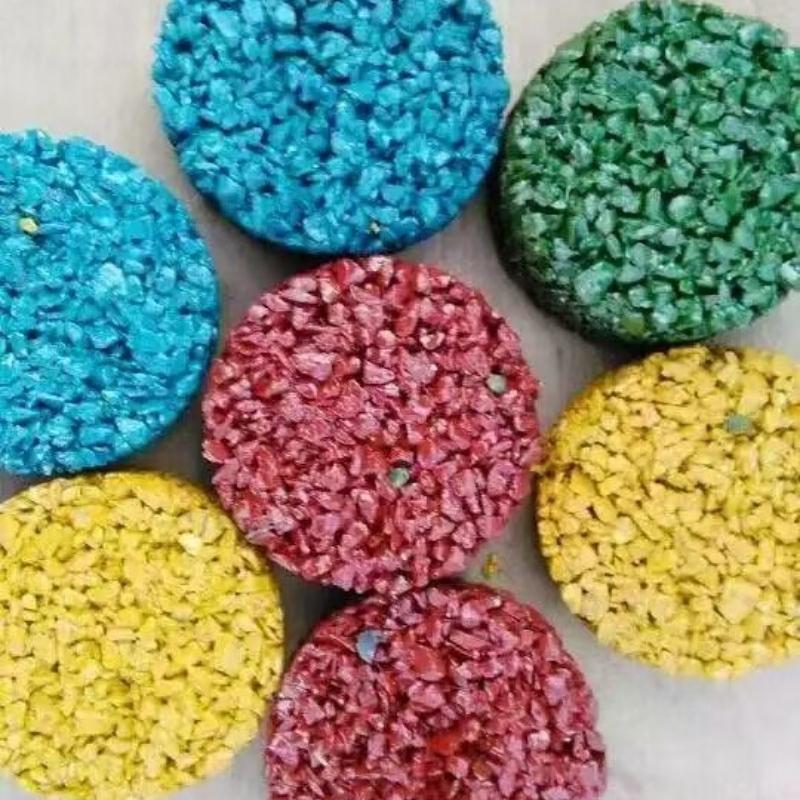
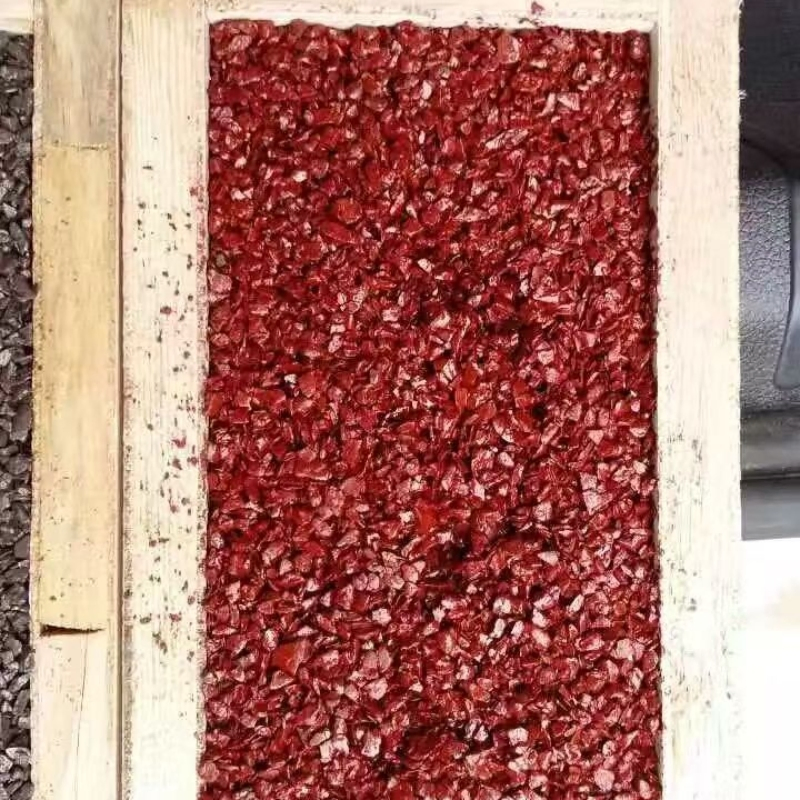
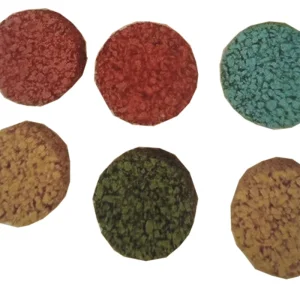
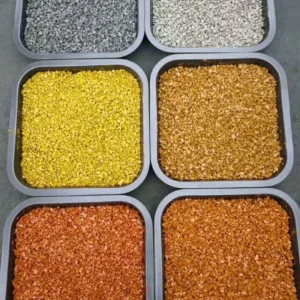
Colored Asphalt: Uses inorganic pigments for urban footpaths, scenic roads, and bus lanes, combining functionality with aesthetics.
 Aero Tech